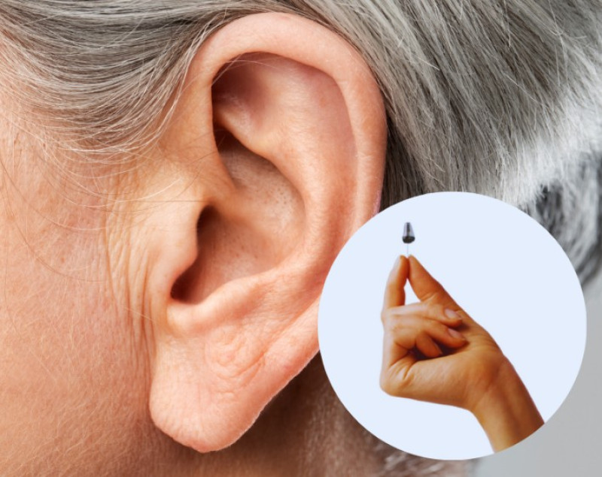
Hearing loss affects millions of people worldwide, yet many delay seeking treatment because they are concerned about the appearance of traditional hearing aids. Fortunately, advancements in hearing technology have led to the development of invisible hearing aids; small, discreet devices designed to improve hearing without being noticeable to others.
For individuals exploring modern hearing solutions in Vadodara, invisible hearing aids have become an increasingly popular option. These devices offer a combination of advanced sound processing technology and cosmetic appeal, making them an attractive choice for people who want effective hearing support without drawing attention to their hearing loss.
Before deciding whether invisible hearing aids are the right choice, it is important to consult an experienced audiologist in Vadodara who can evaluate your hearing condition, ear anatomy, and lifestyle needs. A professional assessment helps determine whether these devices can provide the level of hearing improvement you require.
What Are Invisible Hearing Aids?
Invisible hearing aids are among the smallest hearing devices available today. They are designed to fit deep inside the ear canal, making them virtually undetectable when worn.
Unlike traditional behind-the-ear devices, invisible hearing aids are custom-made to match the shape and size of an individual’s ear canal. This personalized fit ensures comfort while helping the device remain hidden from view.
Several types of discreet hearing aids are available, including:
- Invisible-in-the-Canal (IIC) hearing aids
- Completely-in-the-Canal (CIC) hearing aids
- Custom in-the-ear hearing aids with minimal visibility
These devices use advanced digital technology to amplify sounds, reduce background noise, and improve speech understanding in various listening environments.
Because they sit closer to the eardrum, invisible hearing aids can often provide a more natural listening experience by utilizing the ear’s natural anatomy to collect and process sounds.
Benefits of Invisible Hearing Aids
The popularity of invisible hearing aids continues to grow because they offer several important advantages.
Enhanced Cosmetic Appeal
One of the most significant benefits is their discreet appearance. Many people feel self-conscious about wearing hearing aids and prefer solutions that are difficult for others to notice.
Invisible hearing aids allow users to address hearing loss while maintaining confidence in social and professional settings.
Natural Sound Quality
Since these devices sit deep within the ear canal, sound enters the ear in a way that closely resembles natural hearing. This positioning can improve sound localization and create a more authentic listening experience.
Comfortable Fit
Custom manufacturing ensures that invisible hearing aids fit securely within the ear canal. Many users find them comfortable enough for all-day wear after an adjustment period.
Reduced Wind Noise
Because the devices are positioned inside the ear canal, they are generally less affected by wind interference compared to some larger hearing aids.
Improved Communication
By amplifying speech and reducing unwanted background noise, invisible hearing aids can help users participate more confidently in conversations at home, work, and social events.
Who Is a Good Candidate for Invisible Hearing Aids?
Although invisible hearing aids offer many benefits, they are not suitable for every individual with hearing loss.
People with mild to moderate hearing loss are often the best candidates. The compact size of these devices limits the amount of amplification they can provide compared to larger hearing aid styles.
Candidates typically have:
- Mild to moderate sensorineural hearing loss
- Healthy ear canals
- Good manual dexterity
- A desire for a discreet hearing solution
- Realistic expectations regarding device performance
Ear canal anatomy also plays an important role. Some individuals may have ear canals that are too small or uniquely shaped to accommodate invisible devices comfortably.
A comprehensive hearing evaluation can determine whether invisible hearing aids are appropriate for your specific needs.
Potential Limitations to Consider
While invisible hearing aids provide numerous advantages, they also have certain limitations that should be considered before making a decision.
Battery Size and Life
Due to their small size, invisible hearing aids use smaller batteries. These batteries generally require more frequent replacement than those used in larger devices.
Limited Features
Some advanced features available in larger hearing aids may not fit within the compact design of invisible models.
Examples may include:
- Rechargeable batteries
- Extended wireless connectivity
- Advanced directional microphones
- Larger control buttons
Handling Challenges
The small size can make insertion, removal, and battery replacement more difficult for individuals with arthritis, reduced finger dexterity, or vision problems.
Suitability for Severe Hearing Loss
People with severe or profound hearing loss often require more powerful amplification than invisible hearing aids can provide.
Understanding these limitations helps ensure realistic expectations and greater satisfaction with the chosen device.
The Fitting and Adjustment Process
Getting invisible hearing aids involves several important steps.
The process typically begins with a comprehensive hearing evaluation to assess the type and severity of hearing loss. Ear impressions may then be taken to create custom-fitted devices that match the unique shape of the ear canal.
Once the hearing aids are manufactured, a fitting appointment is scheduled. During this visit, the devices are programmed according to the individual’s hearing profile.
The audiologist will:
- Verify sound quality and amplification levels
- Ensure a comfortable fit
- Teach proper insertion and removal techniques
- Explain cleaning and maintenance procedures
- Provide guidance on adapting to amplified sounds
Most users require an adjustment period. Sounds that were previously difficult to hear may initially seem unusual or overly prominent. With regular use, the brain gradually adapts, allowing speech and environmental sounds to become more natural.
Follow-up appointments are essential for fine-tuning settings and addressing any concerns.
Caring for Invisible Hearing Aids
Proper maintenance helps maximize the lifespan and performance of invisible hearing aids.
Because they sit deep within the ear canal, these devices are exposed to earwax and moisture on a daily basis. Regular cleaning is necessary to prevent blockages and maintain sound quality.
Users should:
- Clean the devices according to manufacturer instructions
- Store them in a dry, protective case
- Replace batteries as recommended
- Avoid exposure to excessive moisture
- Schedule routine professional maintenance
Consistent care helps ensure reliable performance and reduces the likelihood of repairs.
Comparing Invisible Hearing Aids with Other Hearing Aid Styles
Invisible hearing aids are only one of several available hearing aid options. Understanding how they compare to other styles can help individuals make an informed choice.
Behind-the-ear devices typically offer greater amplification, longer battery life, and more advanced features. Receiver-in-canal models provide a balance between discretion and functionality.
Invisible hearing aids excel in aesthetics and discretion, while larger devices may provide superior performance for complex listening needs.
The best choice depends on factors such as:
- Degree of hearing loss
- Ear anatomy
- Lifestyle requirements
- Budget considerations
- Personal preferences
There is no universal solution that works for everyone. Individual assessment remains the most effective way to identify the right hearing aid style.
Conclusion
Invisible hearing aids have transformed the way many people manage hearing loss by offering a highly discreet and effective hearing solution. Their compact design, natural sound quality, and cosmetic appeal make them an attractive option for individuals with mild to moderate hearing loss who prioritize invisibility.
However, they are not suitable for every hearing condition or lifestyle. Factors such as hearing loss severity, ear canal structure, manual dexterity, and desired features must all be carefully evaluated before choosing a device.
With proper professional guidance, realistic expectations, and ongoing care, invisible hearing aids can significantly improve communication, confidence, and overall quality of life. If you are considering hearing aids and value both performance and discretion, invisible hearing aids may be an excellent solution worth exploring.

Related Posts

THCA Pre Rolls vs Vape Carts and Disposables What to Choose

How I Built a Sustainable Healthy Lifestyle