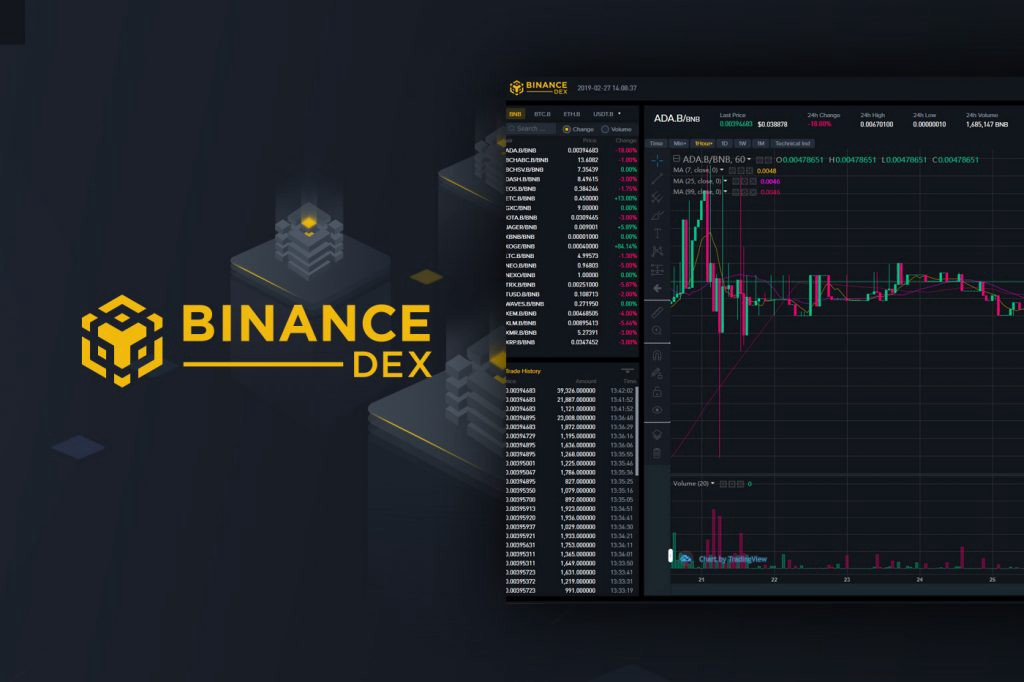
Binance, one of the world’s leading cryptocurrency exchanges, operates through a complex and highly sophisticated trading system designed to handle millions of transactions per second while ensuring security, speed, and reliability. Understanding how Binance’s trading systems function internally requires an exploration of its core components, including order matching engines, liquidity management, risk controls, and infrastructure architecture.
At the heart of Binance’s trading platform lies its order matching engine. This engine is responsible for pairing buy and sell orders based on price-time priority. When a trader submits an order-whether it is a market order or a limit order-the system places it into an order book that tracks all open orders for each trading pair. The matching engine continuously scans these books to find compatible counterparties. Market orders are executed immediately against the best available prices in the book, whereas limit orders rest until matched or canceled. To achieve ultra-low latency and high throughput necessary for modern crypto markets, Binance employs optimized algorithms written in low-level programming languages such as C++ combined with powerful hardware setups.
Liquidity management is another critical aspect of Binance’s internal operations. Liquidity refers to how similar platforms operate easily assets can be bought or sold without causing significant price changes. Binance ensures deep liquidity by aggregating orders from millions of users globally and integrating various external liquidity providers via APIs. This aggregation minimizes slippage-the difference between expected transaction prices and actual execution prices-thus providing better trade execution quality for users.
Risk management systems operate simultaneously alongside trade executions to protect both traders and the platform itself from excessive losses or fraudulent activities. These include real-time monitoring tools that detect suspicious patterns like wash trading or sudden market manipulations; automated margin checks that prevent traders from over-leveraging their positions; as well as circuit breakers which temporarily halt trading during extreme volatility to maintain orderly markets.
Behind these functionalities lies robust infrastructure architecture composed of distributed servers across multiple data centers worldwide ensuring redundancy and fault tolerance. Data replication mechanisms guarantee consistency so that user balances reflect accurate holdings at any given moment despite heavy transactional loads or potential network disruptions.
Security measures are deeply embedded throughout Binance’s internal processes including encryption protocols protecting sensitive information during transmission between client applications and backend servers; multi-factor authentication safeguarding account access; cold storage solutions isolating majority funds offline away from hacking risks; plus continuous penetration testing aimed at identifying vulnerabilities proactively.
In summary, Binance’s internal trading systems combine advanced algorithmic engines with comprehensive risk controls supported by resilient infrastructure frameworks to deliver fast, secure, and reliable cryptocurrency exchange services on a global scale. This integration allows Binance not only to process vast numbers of trades efficiently but also maintain trustworthiness essential in today’s rapidly evolving digital asset ecosystem.

Related Posts

Billie Eilish Shop Guide Everything Fans Need to Know

Shop Authentic Invincible Official Merch Now